Dark Academia decor: The complete guide to creating a scholarly, moody home
Discover how to bring dark academia into your home with expert tips on color, textiles, lighting, and vintage furnishings. From bedroom to office, create a moody, intellectually-inspired sanctuary.
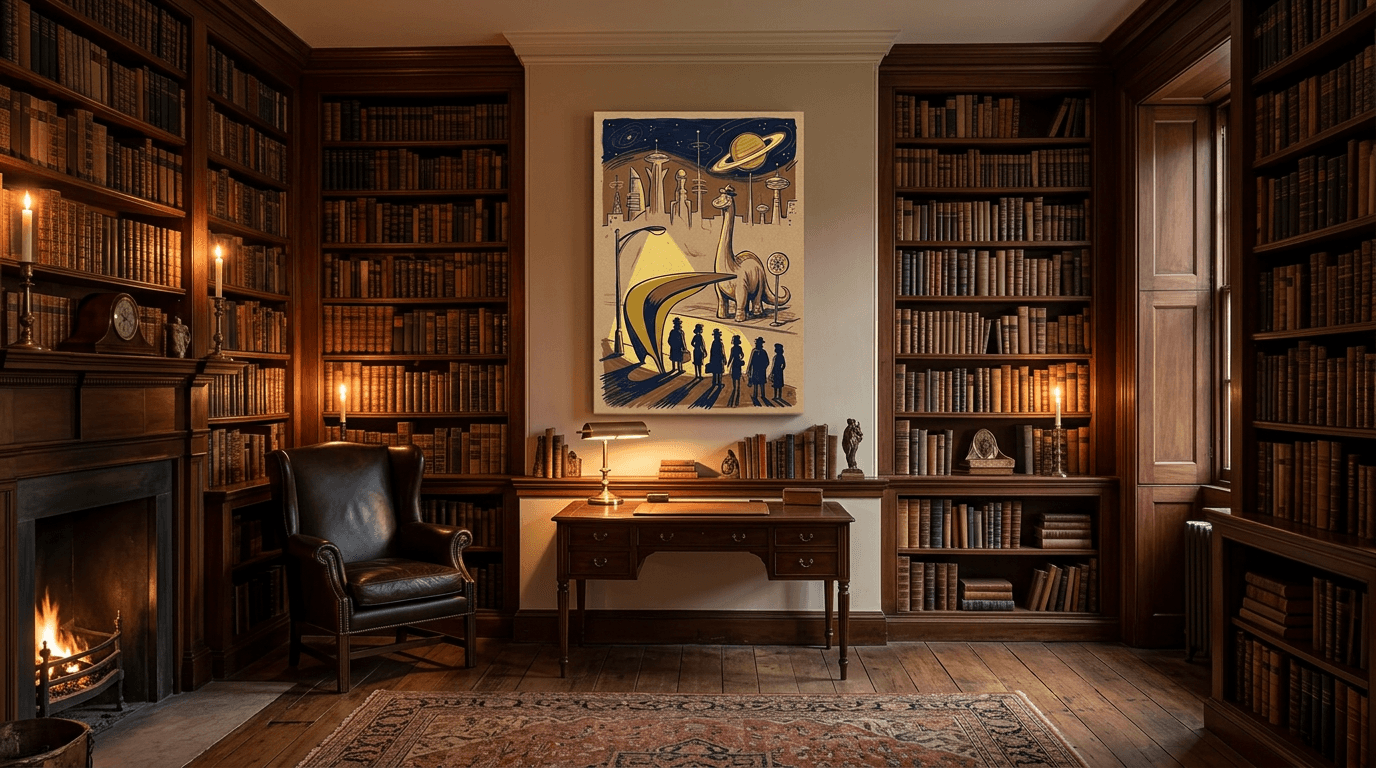
There's something intoxicating about walking into a room that feels like it belongs in an Oxford library circa 1890—where every corner whispers of leather-bound first editions, candlelit study sessions, and the quiet romance of intellectual pursuit. Dark academia decor captures that exact mood: moody, layered, unapologetically nostalgic, and steeped in the aesthetic of classical learning. This guide will walk you through the essential elements—color palettes, furniture, textiles, lighting—and show you how to transform each room in your home into a sanctuary of scholarly elegance, complete with sourcing strategies that won't drain your bank account. Whether you're reimagining a bedroom, living room, or home office, you'll find room-specific advice and curated wall art recommendations that anchor the aesthetic without requiring a trust fund.
What Is Dark Academia Decor?
Dark academia decor transforms living spaces into intimate sanctuaries that evoke the hushed elegance of century-old university libraries and private reading rooms. This aesthetic marries intellectual curiosity with visual richness—think deep burgundies and forest greens, worn leather armchairs, brass desk lamps casting pools of amber light, and walls lined with vintage botanical prints and classical architecture studies. It's a style that whispers of late-night philosophical debates, handwritten marginalia, and the particular comfort of being surrounded by beautiful, meaningful objects.
The Core Aesthetic
At its heart, dark academia decor celebrates the romance of learning and the tactile pleasures of analog scholarship. The palette skews moody and saturated: charcoal, chocolate brown, deep teal, and oxblood red dominate, punctuated by the warm glow of aged brass and the creamy texture of parchment. Surfaces are layered—velvet cushions atop worn wood, stacks of leather-bound volumes beside flickering candles, oil paintings leaning casually against wainscoting. Every element suggests permanence and provenance, as though each piece has been collected over decades rather than purchased in a single afternoon.
Historical & Cultural Influences
The aesthetic draws heavily from 19th-century British and European academic institutions—Oxford's Bodleian Library, Cambridge reading rooms, Parisian literary salons. Gothic Revival architecture, Victorian curiosity cabinets, and the Arts and Crafts movement all leave their fingerprints here. You'll recognize echoes of Romantic-era portraiture, medieval tapestries, and the cluttered charm of a naturalist's study. Literature plays a starring role: the style nods to the Brontës, Oscar Wilde, Donna Tartt's The Secret History, and the entire canon of melancholic, intellectually-charged storytelling.
Why Dark Academia Resonates Today
In an age of minimalist white walls and mass-produced furniture, dark academia offers depth, narrative, and a deliberate slowness. It appeals to those craving spaces that feel curated rather than styled—rooms that invite you to linger with a book and a cup of tea rather than scroll through your phone. The aesthetic also provides a comforting structure for self-expression: it's aspirational without being unattainable, nostalgic without being precious, and scholarly without demanding actual academic credentials. For remote workers and apartment dwellers especially, it transforms everyday spaces into environments that feel both inspiring and deeply personal.
The Essential Dark Academia Color Palette
The dark academia aesthetic lives and dies by its color choices. Unlike stark minimalist schemes, this palette demands depth, saturation, and a deliberate rejection of bright whites and cool grays. Think of the colors you'd find in a 19th-century gentleman's study after decades of pipe smoke and candlelight have mellowed the walls—rich, layered, and unapologetically moody. Getting your base palette right transforms any room from generic to atmospheric, so let's break down the specific hues that anchor this look.
Deep, Rich Base Colors
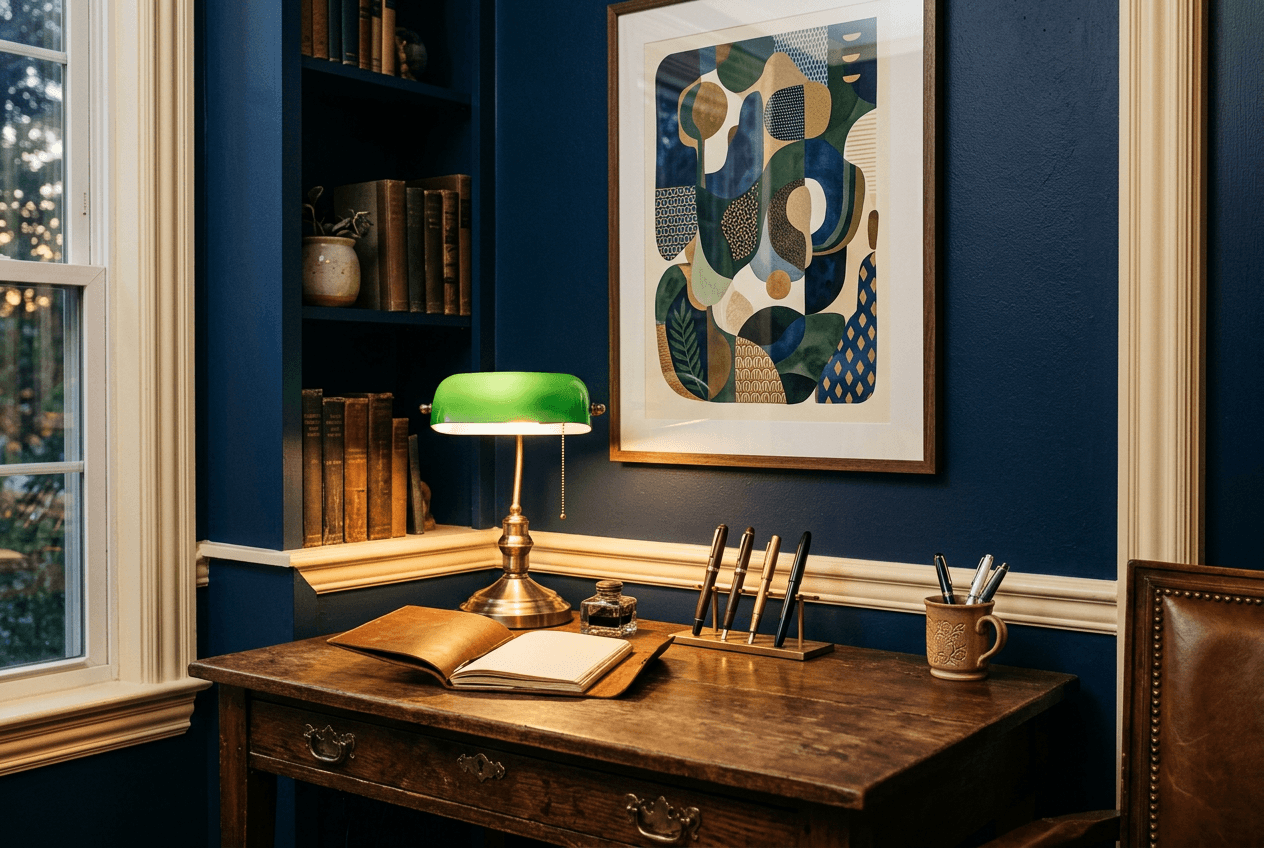
Your walls and largest surfaces should anchor the space in deep, saturated neutrals. Charcoal gray (think Benjamin Moore's "Kendall Charcoal" or similar tones around #4A4A4A) provides a softer alternative to pure black while maintaining drama. Deep chocolate brown (#3E2723) evokes aged wood paneling and leather-bound volumes. For those wanting color without sacrificing moodiness, consider hunter green (#2C5F2D) or a dusty navy (#1C2841)—both reference traditional library and study spaces. These aren't accent colors; they're the foundation that makes every other element pop.
Jewel Tones & Accents
Layer in jewel tones through textiles, smaller furniture pieces, and wall art to add visual richness without overwhelming the space. Burgundy (#6B2737) and oxblood red bring warmth and a touch of aristocratic elegance—perfect for velvet cushions or posters for living room matting. Emerald green (#0F5132) and sapphire blue (#0F4C81) reference old botanical illustrations and astronomical charts. These saturated hues should appear in controlled doses: a reading chair, a throw blanket, decorative spines on your bookshelf. The goal is a curated collection of color, not a rainbow.
Metallic Touches: Brass, Gold & Copper
Metallics in dark academia aren't about shine—they're about the patina of age. Antique brass (#B5A642), tarnished gold, and aged copper provide warm accents that catch lamplight without reading as modern or flashy. Use these tones in light fixtures, picture frames, bookends, and hardware. Avoid chrome, polished silver, or anything that looks freshly minted. The metals should feel like they've been handling books for a century.
Balancing Darkness with Warmth
The key mistake beginners make is creating a space that's dark but cold. Combat this by choosing warm undertones in every color—browns with red bases rather than gray, charcoals with subtle warmth, greens that lean olive rather than teal. Introduce cream (#F5F1E3) and warm off-whites sparingly through book pages, lampshades, and occasional textile details. These lighter touches prevent the space from feeling oppressive while maintaining the cozy, candlelit atmosphere that defines dark academia decor.
Textiles & Textures: Layering the Dark Academia Look
Dark academia's signature warmth comes not from color alone but from the deliberate layering of tactile, lived-in materials. The aesthetic celebrates the sensory richness of old libraries and private studies—spaces where velvet cushions invite long reading sessions, wool throws soften leather chairs, and heavy curtains muffle the outside world. Achieving this depth requires understanding how different fabrics interact and how texture creates visual weight even in low light.
Velvet, Leather & Wool
These three materials form the textural trinity of dark academia decor. Velvet brings instant luxury and light-catching depth—choose cushion covers, upholstered dining chairs, or even curtain panels in burgundy, forest green, or charcoal. Leather anchors the aesthetic with its worn, scholarly connotations: a vintage leather armchair, desk blotter, or ottoman adds authenticity without requiring antique-hunting. Wool completes the trio through chunky knit throws, tweed cushions, and herringbone upholstery that reference British academic traditions. Layer all three in a single room for maximum effect—a leather sofa dressed with velvet pillows and a wool throw creates instant dark academia credibility.
Rugs, Throws & Curtains
Floor-to-ceiling layering transforms ordinary rooms into cocooned sanctuaries. Persian or Turkish-style rugs in deep reds and blues ground the space with pattern and warmth—look for distressed or low-pile options that suggest decades of use. Throws should be abundant and artfully draped: fold a tartan wool blanket over a chair arm, drape a cable-knit throw across the foot of your bed, layer a faux-fur piece over your reading nook. Heavy curtains in velvet or thick linen block harsh daylight and frame windows like stage curtains, controlling both light and atmosphere. Choose floor-length panels that puddle slightly at the base for an unhurried, romantic silhouette.
Mixing Patterns & Weaves
The key to avoiding visual chaos lies in anchoring varied patterns with a consistent color palette. Pair a paisley velvet cushion with a herringbone wool throw—both in shades of burgundy and cream—and the patterns complement rather than compete. Introduce one large-scale pattern (a bold Persian rug or damask curtains) and balance it with smaller, subtler weaves in complementary textures. Stripes, plaids, and geometric academic prints work particularly well alongside botanical or classical motifs.
Creating Depth Through Texture
Texture creates shadow and dimension that flat surfaces cannot. A room painted entirely in charcoal gray feels cold and institutional; the same room with a wool rug, linen curtains, leather seating, and velvet accents feels intimate and inviting. Layer matte and sheen finishes—pair rough-woven linen with polished leather, or brushed wool with silk-blend velvet. Even your walls benefit: consider textured wallpaper in subtle damask patterns or apply limewash paint for organic depth that shifts with the light throughout the day.
Furniture & Vintage Pieces: Building Your Dark Academia Foundation
The furniture in a dark academia space carries visual weight and narrative history—each piece should feel like it survived decades in a private library or professor's study. Wood is the dominant material, preferably in darker finishes that echo the color palette you've already established. Mahogany, walnut, and cherry offer the richest tones, while oak and teak age beautifully and develop character over time. Avoid anything with a glossy polyurethane finish; the patina should be matte or satin, suggesting years of careful use rather than showroom perfection.
Wood Furniture: Types & Finishes
Look for pieces with architectural detail—carved legs, inset panels, brass hardware, or leather-topped surfaces. Roll-top desks, barrister bookcases with glass fronts, and library tables with turned legs are quintessential, but even a simple mid-century credenza works if the wood tone is deep enough. The finish matters as much as the form: distressed surfaces, visible grain, and slight variations in color add authenticity. If you're refinishing a piece yourself, use oil-based stains in espresso or dark walnut, then seal with a low-sheen polyurethane or paste wax for a hand-rubbed appearance.
Sourcing Vintage & Antique Finds
Estate sales and university-town thrift stores are gold mines for authentic academic furniture at a fraction of retail prices. Arrive early to estate sales—the best pieces disappear within the first hour. Online marketplaces like Facebook Marketplace, Craigslist, and Chairish often feature solid wood furniture from the 1920s–1970s that fits the aesthetic perfectly. Search terms like "barrister bookcase," "lawyer's desk," "secretary desk," and "library table" yield better results than generic queries. Be prepared to rent a van or arrange pickup; quality vintage furniture is heavy and worth the logistics.
Key Furniture Pieces to Prioritize
Start with a substantial desk or writing table—this anchors your space and signals intellectual purpose. Next, prioritize seating: a leather wingback chair or tufted reading chair establishes comfort and visual drama. Bookcases come third; even a single tall unit filled with books transforms a room's character. Everything else—side tables, credenzas, additional seating—can be added gradually as you find pieces that speak to you.
Budget-Friendly Alternatives
If vintage hunting isn't feasible, retailers like IKEA's HEMNES line, Target's Threshold collection, and World Market offer new furniture in darker wood tones at accessible price points. Paint is your secret weapon: a $40 pine bookcase becomes dark academia-appropriate with two coats of deep brown or charcoal paint and new brass pulls. Focus your budget on one or two statement pieces and fill gaps with painted or stained budget finds—the layered result looks intentionally curated rather than matched from a single collection.
Lighting: Creating Ambient Scholarly Warmth
Lighting transforms dark academia spaces from merely dark to atmospherically moody. The goal isn't bright, even illumination—it's pools of warm light that create contrast, shadow, and the sense that you're reading by lamplight in a private library after hours. This layered approach mimics how historic academic spaces were lit: multiple small sources rather than one overhead fixture flooding the room.
Layered Lighting Approach
Start by eliminating or dimming overhead ceiling lights. Instead, distribute 4-6 smaller light sources throughout the room at varying heights: a desk lamp, two table lamps on side tables, a floor lamp near a reading chair, and perhaps wall sconces flanking a bookshelf. Each should cast a warm, localized glow that overlaps with neighboring sources, creating gradients of light and shadow. This layering adds depth and prevents the flat, institutional feel of single-source lighting. Dimmers on every lamp give you control to adjust the mood from functional work light to intimate evening ambiance.
Brass & Vintage Fixtures
Prioritize fixtures in antique brass, aged bronze, or verdigris copper finishes—metals that look like they've oxidized over decades. Banker's lamps with green glass shades are quintessential dark academia; so are adjustable architect lamps with brass arms and fabric-covered cords. Thrift stores and estate sales often yield these for $15-40. Look for fixtures with visible mechanical elements—hinges, knobs, pull chains—that reinforce the analog, pre-digital aesthetic. Edison bulbs in vintage cage fixtures add industrial-scholarly character, though their light output is low, so pair them with task lighting for functional spaces.
Candlelight & Atmospheric Elements
Real candles in brass candlesticks, hurricane lanterns, or clustered votives amplify the nostalgic atmosphere during evening hours. Place them on mantels, desks, and side tables where their flickering light animates the space. Battery-operated LED candles with timers offer the effect without fire risk in bedrooms or offices. String lights are generally too whimsical for dark academia unless they're warm-white Edison-style bulbs draped sparingly behind a bookshelf to create subtle backlighting.
Avoiding Harsh, Modern Lighting
Reject cool-white LEDs (5000K+), recessed can lights, and minimalist geometric fixtures. Choose bulbs rated 2200-2700K for warm, amber tones that mimic incandescent or candlelight. Lampshades should be opaque fabric in burgundy, forest green, or cream to diffuse and color the light, never clear glass that exposes a bare bulb's glare.
Wall Art & Decor: Curating Your Scholarly Gallery
Wall art transforms empty surfaces into narrative focal points that define the dark academia aesthetic. Unlike minimalist galleries with sparse arrangements, this style calls for layered, salon-style groupings that mimic the crowded walls of Victorian studies and European academies. Your goal is to create visual density without chaos—overlapping frames in varied sizes, clustered around thematic groupings that tell intellectual stories through imagery.
Literary & Academic Prints
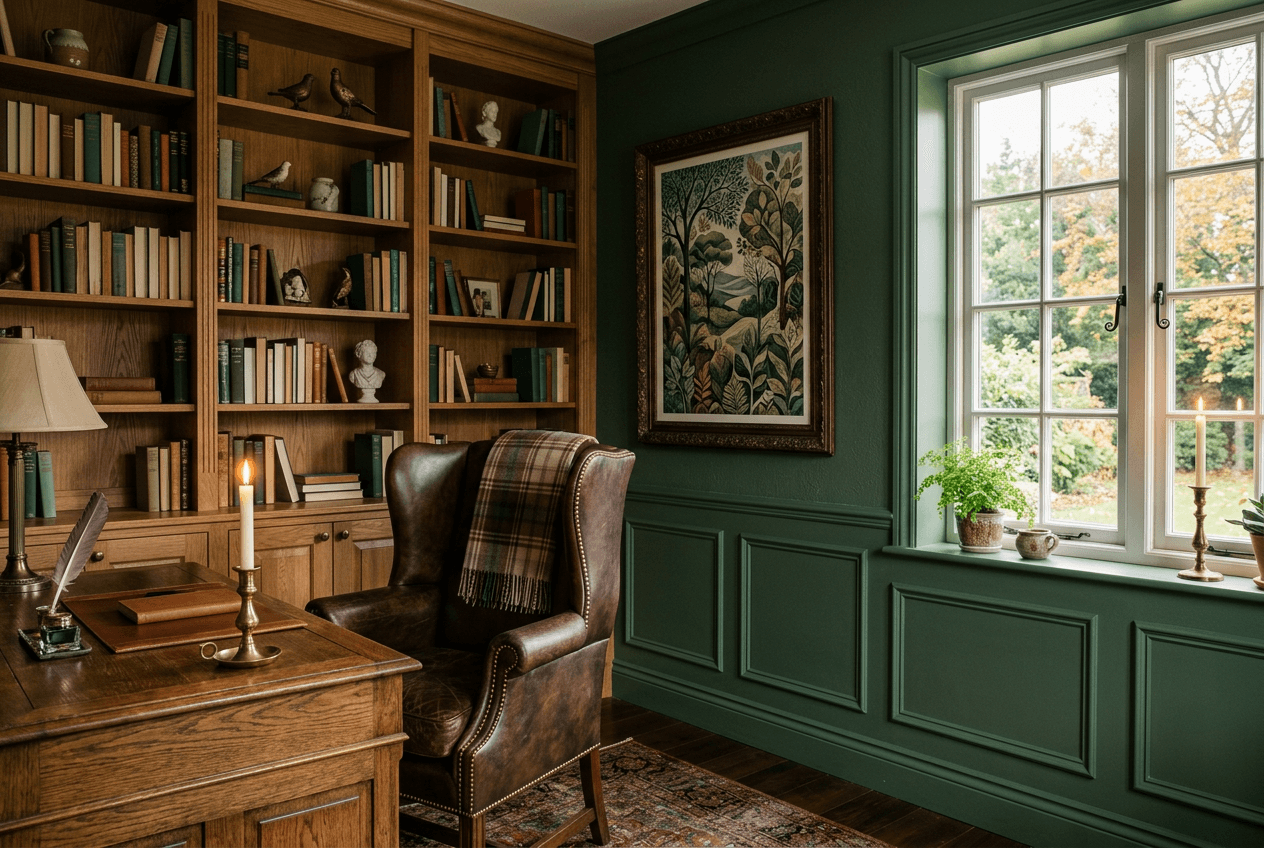
Vintage typography prints featuring literary quotes, Latin phrases, or excerpts from classical texts anchor the scholarly atmosphere. Look for designs with aged paper textures, serif fonts, and subtle foxing details that suggest historical provenance. Botanical specimen labels, anatomical diagrams with handwritten annotations, and architectural blueprints add authentic academic weight. These work beautifully as posters for home office arrangements, especially when grouped in odd numbers (three or five) with mismatched vintage frames in dark wood or tarnished brass finishes.
Botanical & Natural History Art
Victorian-era botanical illustrations and natural history engravings are dark academia essentials. Choose prints with detailed scientific labels, muted watercolor palettes in sage greens and dusty browns, and subjects like ferns, moths, mushrooms, or pressed flowers. Vintage entomology charts showing beetle classifications or ornithological studies of ravens and owls add Gothic undertones. Layer these with anatomical heart diagrams or phrenology charts for an eccentric cabinet-of-curiosities effect that feels both scholarly and slightly macabre.
Vintage Maps & Globes
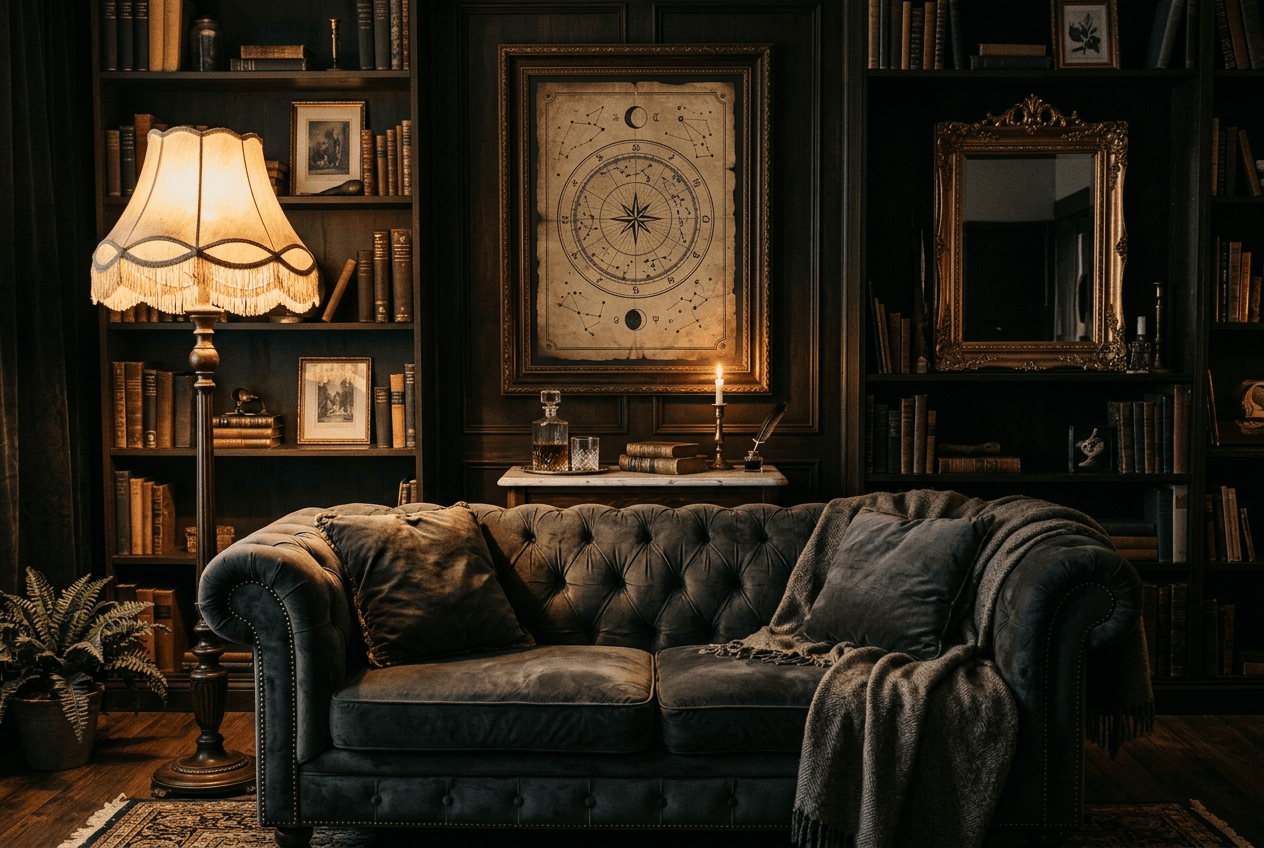
Antique cartography brings exploration narratives into your space. Sepia-toned maps of European cities, celestial charts showing constellations, or aged nautical navigation diagrams work as statement pieces above desks or sofas. Three-dimensional globes on wooden stands become sculptural accents on bookshelves. For wall arrangements, consider mixing maps with architectural elevation drawings or university campus plans from the 1800s—the aged parchment tones and intricate line work complement leather furniture and brass lighting perfectly.
Recommended Posters & Canvas Prints for Dark Academia
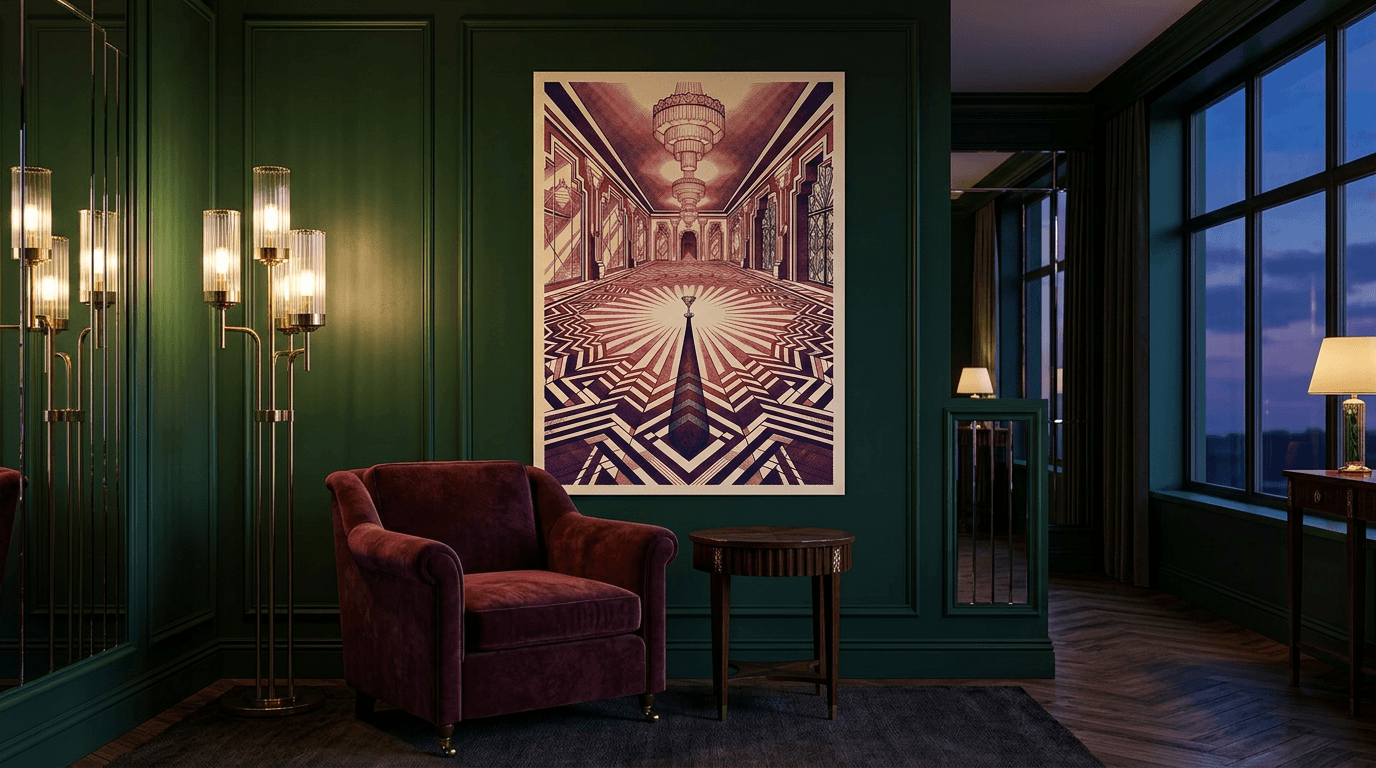
When selecting wall art, prioritize pieces with rich color saturation, vintage textures, and intellectual or natural themes. Canvas prints add dimensional depth to larger walls, while poster collections in matching frames create cohesive gallery arrangements. Look for designs featuring deep burgundies, forest greens, and charcoal backgrounds that echo your established palette, avoiding bright whites or contemporary minimalist compositions that disrupt the moody, historical atmosphere. If you're drawn to geometric patterns with vintage sophistication, exploring Art Deco interior design principles can offer complementary styling approaches that share dark academia's love of rich materials and dramatic visual impact.
Room-by-Room Dark Academia: Bedroom, Living Room & Office
Transforming your home into a dark academia haven works best when you tailor the aesthetic to each room's function. Rather than applying a uniform formula, successful implementation means emphasizing different elements—a bedroom prioritizes cozy textiles and reading nooks, while an office demands functional lighting and inspiring wall displays. The key is maintaining visual consistency through your established color palette and material choices while adapting the intensity and focus to match how you'll actually use each space.
Dark Academia Bedroom: Study Nook & Reading Corner
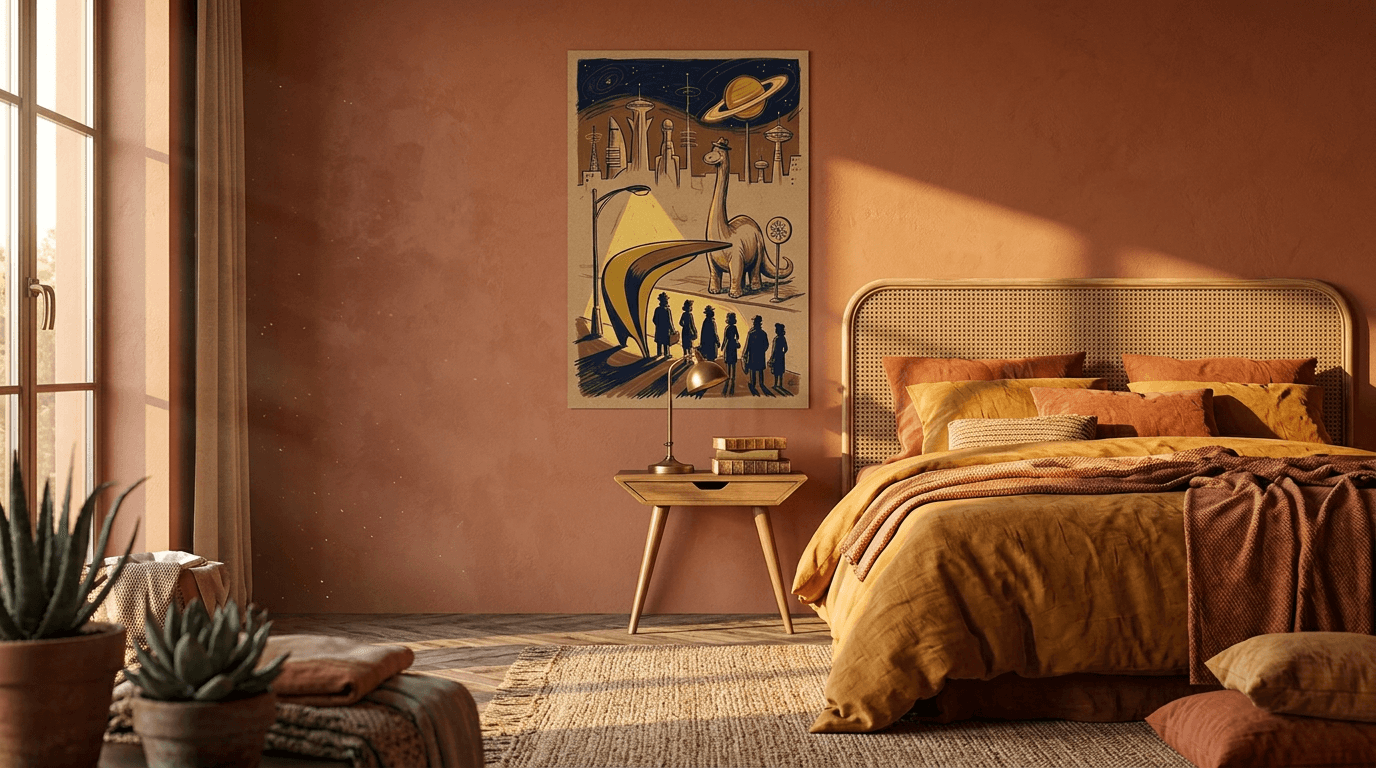
Your bedroom should feel like a private scholar's retreat. Position your bed against the darkest wall color, then layer it with velvet throws in burgundy or forest green, wool blankets, and an abundance of pillows in varied textures. A substantial wooden headboard or wrought-iron frame anchors the space visually. The essential element many overlook is the reading corner: place a leather armchair or tufted wingback near a window with a small side table and brass reading lamp. Stack three to five books on the table as functional decor. Above the bed, create a focused gallery wall with botanical prints or vintage maps rather than scattered personal photos—bedroom posters in darker tones maintain the moody atmosphere without overwhelming the space where you sleep.
Dark Academia Living Room: Layered Seating & Libraries
Living rooms demand the most dramatic expression of the aesthetic. Arrange seating in conversation clusters rather than against walls—a leather Chesterfield sofa facing two velvet armchairs across a Persian rug creates intimate, salon-style gathering spaces. Floor-to-ceiling bookshelves are non-negotiable; if built-ins aren't possible, group multiple standalone bookcases along one wall. Fill them with a mix of actual books, decorative boxes, and small curiosities. Layer your lighting with at least four sources: a floor lamp behind the sofa, table lamps on side tables, and perhaps a vintage chandelier. Wall space between shelving units becomes your gallery—mix anatomical diagrams with celestial charts in varied frame sizes.
Dark Academia Office: Scholarly Workspace
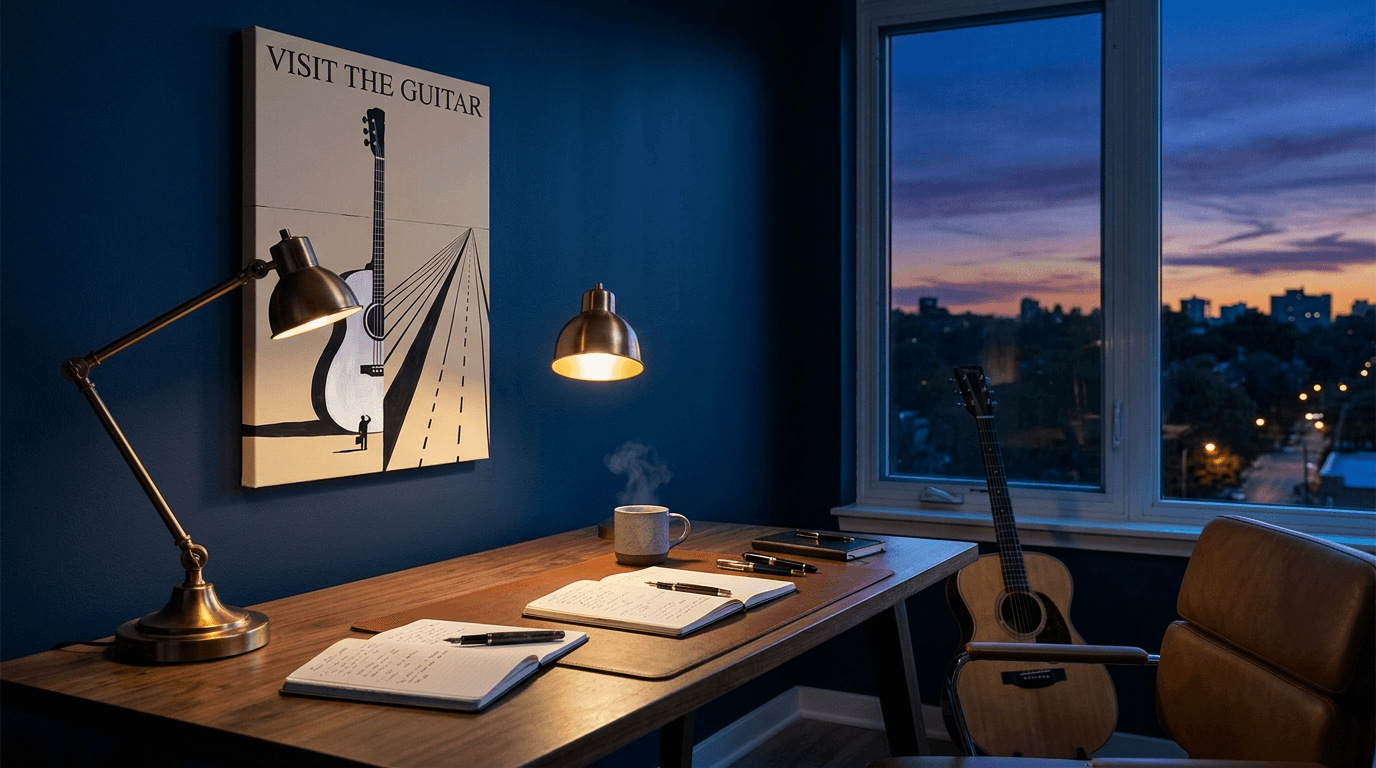
A dark academia office prioritizes function without sacrificing atmosphere. Center the room around a substantial wooden desk positioned to face the door or a window. Your desk lamp (ideally a banker's lamp with a green glass shade) provides task lighting, supplemented by a second light source behind you to eliminate screen glare. Above the desk, hang inspiring office posters that reference classical learning—typography prints with Latin phrases or vintage scientific illustrations work particularly well. Keep the desk surface relatively clear; store supplies in wooden trays or leather desk organizers rather than plastic bins. For more comprehensive guidance on balancing aesthetic appeal with productivity in your workspace, consider reviewing office decor strategies that create both inspiring and functional environments.
Creating Cozy Retreats in Any Room
Regardless of room type, dark academia succeeds when it creates what designers call "nesting moments"—small zones that invite you to settle in with a book and tea. Every room should have at least one: a window seat with cushions, an armchair with an ottoman, or even a floor setup with large pillows and a sheepskin rug. Position a small side table within arm's reach and ensure warm lighting falls directly on the seating area. These intentional retreats transform the aesthetic from merely visual into genuinely livable.
Books, Curiosities & Personal Collections
The soul of dark academia decor lives in the personal artifacts that suggest a life devoted to learning and discovery. Books, antique instruments, preserved specimens, and scholarly oddities transform a decorated room into a lived-in study—one that tells stories of intellectual curiosity and aesthetic devotion. The challenge is curating these elements so they feel intentional rather than chaotic, creating visual interest without tipping into clutter.
Displaying Books as Decor
Books are the cornerstone of any dark academia space, but their arrangement matters as much as their presence. Stack leather-bound volumes horizontally on shelves to create varied heights, then place smaller objects—brass magnifying glasses, inkwells, or antique hourglasses—atop them. Mix vertical and horizontal orientations, and don't be afraid to turn spines inward occasionally to reveal aged page edges. Color-coordinate sections in deep tones: burgundy, forest green, navy, and chocolate brown create visual cohesion. Leave some shelf space empty to prevent overwhelming density—negative space lets the eye rest and makes each grouping feel more deliberate.
Antique Globes, Taxidermy & Oddities
Vintage scientific instruments and natural curiosities add the eccentric scholar's touch. Antique brass telescopes, aged globes with faded cartography, framed butterfly collections, and ethically sourced taxidermy (or high-quality replicas) reference Victorian cabinets of curiosities. Botanical specimens under glass cloches, vintage anatomical models, and antique compasses work beautifully on desks or side tables. Balance these statement pieces with complementary wall art—a vintage scientific poster depicting celestial charts or anatomical studies reinforces the scholarly narrative.
Creating a Curated, Intellectual Atmosphere
Every object should suggest purpose or passion. Display items in thematic clusters: a writing corner with fountain pens, ink bottles, and leather journals; a natural history vignette with fossils, pressed botanicals, and field guides. Rotate collections seasonally to keep the space feeling dynamic. The goal is a room that looks like it evolved organically through years of collecting, not assembled overnight from a catalog.
Balancing Clutter with Intentional Styling
Apply the "rule of three" for small objects—group items in odd numbers for visual balance. Use trays, wooden boxes, or shallow bowls to corral smaller curiosities, preventing surfaces from looking chaotic. Maintain clear pathways and functional surfaces. Not every shelf needs filling; strategic emptiness creates breathing room and draws attention to your most compelling pieces.
Dark Academia Decor on a Budget: Smart Shopping Tips
Dark academia's vintage aesthetic doesn't require an estate sale inheritance. The look is fundamentally about patina and character—qualities that thrift stores and secondhand markets deliver far better than retail showrooms. With strategic sourcing and selective DIY, you can build an authentic scholarly atmosphere for a fraction of decorator prices.
Where to Source Affordable Pieces
University-town thrift stores and estate sales are gold mines for dark academia essentials. Look for Goodwills near historic campuses where professors' estates often end up—you'll find leather desk accessories, brass lamps, and hardcover book collections for $2-15 per item. Facebook Marketplace and Craigslist yield solid wood furniture that simply needs darker stain. Library book sales offer vintage hardcovers by the bag ($5-10), while antique malls provide smaller accent pieces like inkwells and magnifying glasses without the commitment of large furniture investments.
DIY & Upcycling Ideas
Transform modern pieces with strategic finishes. Sand pine furniture and apply gel stain in walnut or espresso—the process takes an afternoon and costs $12-18 per piece. Spray-paint cheap brass-look fixtures with Rustoleum's Oil-Rubbed Bronze for authentic patina. Age new books by tea-staining page edges and distressing covers with sandpaper. If DIY printing isn't your thing, our black-and-white photography posters capture the same vintage, scholarly mood ready to hang.
Prioritizing Your Spending
Invest in one anchor piece per room—a substantial desk, a quality leather chair, or floor-to-ceiling bookshelves—then fill around it with budget finds. Spend 60% of your budget on large furniture that defines the space, 30% on lighting (critical for ambiance), and 10% on decorative accents. A $400 solid wood desk from an estate sale creates more impact than $400 spread across ten small décor items.
Thrift Store & Estate Sale Strategies
Arrive early at estate sales in older neighborhoods—the first hour yields the best furniture and lighting. Bring measurements and a tape measure. Negotiate bundles: "I'll take the desk lamp, the globe, and these three books for $40." Pass on anything requiring major structural repair, but embrace surface wear—scratches and patina are features, not flaws, in dark academia spaces.
Common Dark Academia Decor Mistakes to Avoid
Even experienced decorators stumble when translating dark academia's moody elegance into real living spaces. The aesthetic walks a fine line between atmospheric and oppressive, curated and cluttered. Recognizing these common pitfalls before you commit to paint colors or furniture arrangements will save you both money and frustration.
Too Much Darkness: Balance Is Key
The most frequent mistake is interpreting "dark" too literally. Painting every wall charcoal and filling every corner with black furniture creates a cave, not a cozy study. Dark academia spaces need visual breathing room—cream-colored ceilings, strategic placement of lighter textiles, and intentional gaps between furniture pieces. A room should have at least 15-20% lighter elements to prevent the space from feeling claustrophobic. If you can't clearly see book spines on your shelves under normal lighting, you've gone too dark. For those working with particularly compact spaces, understanding how to use wall decor to visually enlarge and brighten small rooms can help you maintain the moody aesthetic without sacrificing livability.
Overdoing the Gothic Elements
Skulls, taxidermy, and Victorian mourning jewelry have their place, but a room dominated by macabre elements veers into Halloween territory rather than scholarly sophistication. Dark academia references intellectual curiosity, not gothic horror. Limit overtly dark objects to one or two per room, balanced with lighter scholarly references like botanical prints or celestial charts. The aesthetic should whisper "Oxford library," not shout "Edgar Allan Poe's bedroom."
Ignoring Functionality & Comfort
A leather chesterfield looks magnificent until you realize it's impossible to read comfortably for more than twenty minutes. Dark academia must serve real life—adequate task lighting for actual reading, ergonomic seating for work, and accessible storage for daily items. Beautiful antique desks often lack depth for modern monitors. Vintage chairs may need cushions. Style should enhance your routines, not fight them.
Mixing Conflicting Styles
Dark academia has clear stylistic boundaries. Mid-century modern chairs, industrial metal shelving, and Scandinavian minimalism clash with the aesthetic's Victorian-Edwardian roots. Stick to pre-1940s design references—ornate wood furniture, traditional textiles, classical art forms. Even budget pieces should echo historical silhouettes rather than contemporary lines. If it's the serene, pared-back Scandinavian sensibility that actually draws you, japandi interior design may suit you better than forcing the two aesthetics together.
Bringing Dark Academia to Life: Your Next Steps
Starting Your Dark Academia Journey
Begin with one room and one anchor piece. Choose the space where you spend most of your time—your bedroom reading nook, your home office desk, or a living room corner—and invest in a single substantial element that embodies the aesthetic: a vintage wooden desk, a burgundy velvet armchair, or a floor-to-ceiling bookshelf. Build outward from there over weeks or months, adding layers gradually rather than attempting a complete transformation overnight.
Your first weekend should focus on three achievable tasks: paint one accent wall in a deep charcoal or forest green, source 15-20 hardcover books in dark bindings from a local thrift store, and add two warm-toned lamps with fabric shades. These foundational changes cost under $150 and immediately shift a room's atmosphere toward scholarly warmth.
Curating Your Personal Aesthetic
Dark academia decor succeeds when it reflects your genuine interests rather than replicating a Pinterest board exactly. If you're drawn to botanical science, lean into vintage plant illustrations and natural curiosities. If literature captivates you, prioritize first-edition novels and typewriter aesthetics. The aesthetic framework—moody colors, layered textures, nostalgic references—remains consistent, but the specific objects should tell your story, creating a space that feels personally curated rather than generically styled.
Dark academia decor isn't about perfection—it's about curating a space that feels like your own private corner of an old library, where every object tells a story and invites contemplation. Start with one room, layer in the textures and tones that speak to you, and let the aesthetic evolve organically as you discover vintage finds and meaningful pieces. The beauty of this style lies in its accessibility: whether you're working with thrifted furniture or investing in statement art, the goal remains the same—to create a sanctuary that honours both intellect and comfort. Your space should feel like a refuge from the modern world, a place where candlelight flickers across worn leather and every evening feels like an opportunity to lose yourself in thought, conversation, or a good book.