Dining room wall decor ideas: Stylish ways to transform your space
Transform your dining room with 15 proven wall decor ideas. Learn how to choose the right style, size, and placement for a polished, finished look.
Your dining room walls are prime real estate—and right now, they might be doing absolutely nothing for you. Whether you're staring at builder-white drywall or a single lonely piece that's been there since move-in day, transforming those vertical surfaces can redefine the entire room. The good news? You don't need a designer's budget or an art degree to get it right. This guide walks you through proven dining room wall decor ideas that work for any style, any size space, and any skill level—from choosing the right scale and placement to mixing textures and anchoring a gallery wall. By the end, you'll know exactly how to turn blank walls into the kind of polished, cohesive backdrop that makes every meal feel a little more special.
Why Dining Room Wall Decor Matters
Your dining room walls aren't just vertical surfaces waiting to be filled—they're the canvas that transforms a functional eating space into a room with personality and purpose. When walls remain bare, even the most carefully chosen table and chairs can feel incomplete, as though the room never quite finished its story. Wall decor creates visual anchors that draw the eye upward, establish focal points, and tie together disparate furniture pieces into a cohesive whole.
The Psychology of a Finished Space
A thoughtfully decorated dining room signals care and intention to anyone who enters. Whether you're hosting a dinner party or simply sitting down for Tuesday's pasta night, the environment shapes the experience. Canvas prints for dining room add warmth and depth that blank walls simply can't provide, subtly elevating every meal from routine to memorable. The right artwork invites conversation, sets the mood, and makes guests linger a little longer at the table.
Blank Walls Equal Missed Opportunities
Without wall decor, your dining room risks feeling more like a waiting area than a destination. The space may be functional, but it lacks the soul that makes people want to gather there. Strategic placement of art balances the room's proportions, softens hard edges, and creates visual interest at eye level—exactly where diners naturally look when seated. Your walls are prime real estate; leaving them empty means missing the easiest, most impactful upgrade available.
15 Dining Room Wall Decor Ideas to Elevate Your Space
Blank dining room walls are missed opportunities. The right decor transforms a simple eating space into a room with character—one that invites conversation, complements your table, and makes even Tuesday night dinner feel a bit more special. Whether you lean toward minimalist elegance or maximalist charm, these fifteen ideas offer concrete starting points for every style and budget.
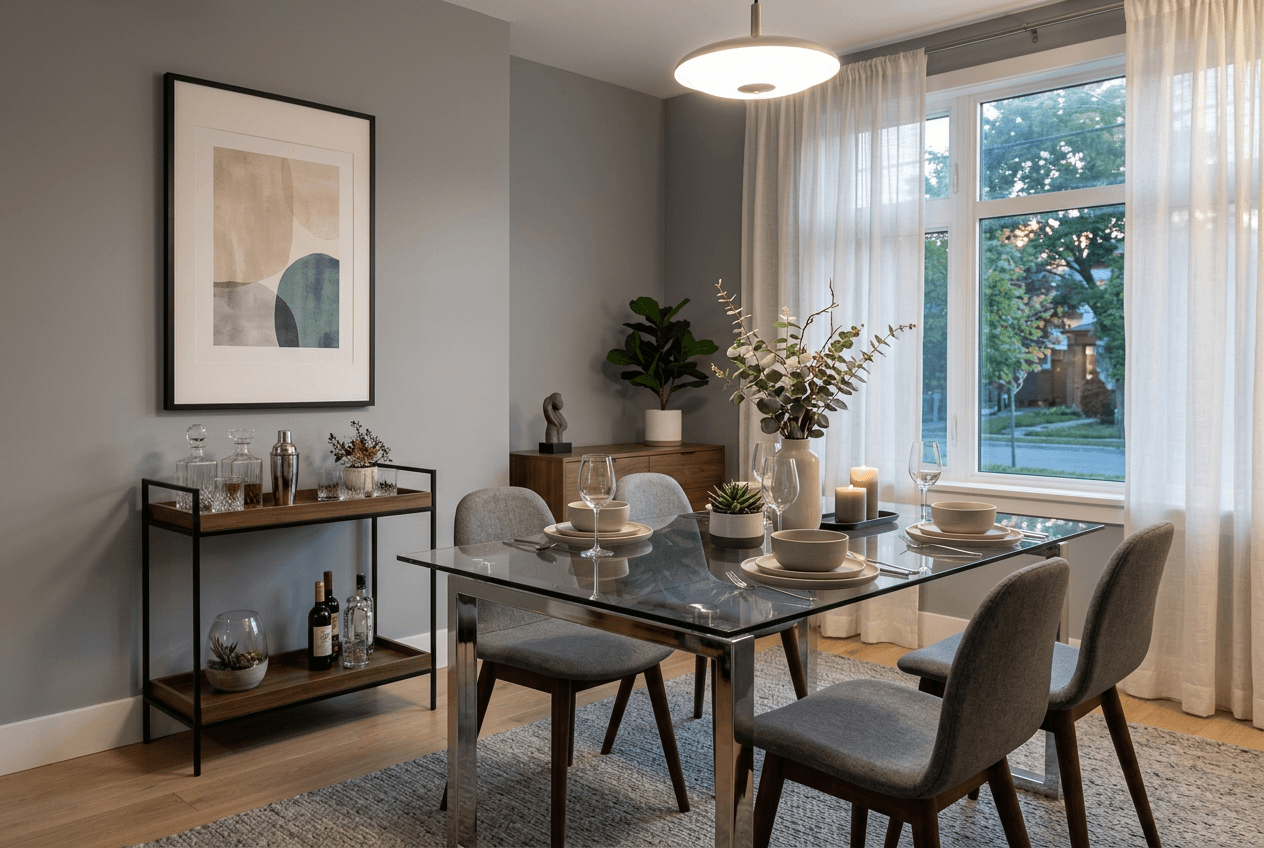
Gallery Walls & Art Collections
A curated gallery wall turns a single wall into a visual story. Mix sizes, frames, and subjects—botanical prints beside abstract shapes, vintage advertisements next to modern line drawings. The key is intentional variety: lay everything on the floor first, photograph it, then commit to the wall. Start with a central anchor piece (typically the largest) and build outward in a loose grid or organic cluster. Gallery walls work beautifully in eclectic, transitional, and contemporary dining rooms, especially when you want to showcase collected pieces over time rather than one statement work.
Large Statement Mirrors
An oversized mirror—round, arched, or rectangular—does double duty: it reflects light and visually doubles your space. Position it opposite a window to bounce natural light across the table, or behind a sideboard to create depth. Ornate gilt frames suit traditional and glam interiors; sleek metal rims fit modern and industrial styles. A 90–120 cm mirror commands attention without overwhelming a standard dining wall, and the reflective surface adds movement as guests shift and candles flicker during dinner.
Wallpaper & Textured Wall Treatments
Wallpaper isn't technically on the wall—it is the wall—but it deserves mention for sheer impact. A bold pattern (geometric, floral, or mural-style) on one accent wall creates instant drama, especially in formal or maximalist dining rooms. Grasscloth and linen-textured papers add subtle warmth to coastal or Scandinavian schemes. Peel-and-stick options make this a renter-friendly choice. Pair patterned walls with simpler art to avoid visual competition, or let the wallpaper be the hero and keep other decor minimal.
Floating Shelves & Ledges
Floating shelves introduce function and flexibility. Style them with a rotating mix: small framed prints, potted herbs, candlesticks, or ceramic bowls. Picture ledges (shallow shelves with a lip) let you lean art instead of committing to nail holes—perfect for renters or the commitment-averse. This idea suits farmhouse, Scandinavian, and modern rustic styles. Keep displays asymmetrical but balanced: vary heights, leave breathing room, and edit ruthlessly so shelves don't become cluttered catchalls.
Woven Baskets & Textile Art
Woven baskets—African, rattan, or seagrass—add texture and a handmade feel. Hang a trio in graduated sizes, or scatter them asymmetrically across a wall. Macramé hangings, woven tapestries, and embroidered textiles soften hard dining room surfaces (wood tables, tile floors) and suit boho, coastal, and global eclectic interiors. The organic shapes and neutral tones make these pieces easy to layer with other decor without clashing.
Decorative Plates & Ceramics
Plate walls have cycled in and out of fashion, but done well, they're timeless. Vintage porcelain, hand-painted ceramics, or modern graphic plates arranged in a symmetrical or organic pattern add Old World charm or playful whimsy depending on your selection. This approach works in traditional, French country, and cottage-core dining rooms. Use plate hangers with adjustable springs, and aim for a cohesive color story—all blues, all neutrals, or a curated mix of complementary hues.
Vintage & Antique Pieces
A single architectural salvage piece—an old window frame, a carved wood panel, a vintage sign—anchors a wall with history and soul. Flea markets, estate sales, and online marketplaces are treasure troves. Vintage mirrors, antique trays, or reclaimed shutters suit farmhouse, industrial, and shabby chic styles. The patina and imperfection are the point; don't over-restore. One statement antique often outperforms a wall of mass-produced decor.
Neon Signs & Modern Accents
A custom neon sign ("Cheers," "Gather," your family name) injects personality and a dose of contemporary edge. LED neon is safer, cooler, and more energy-efficient than traditional glass tubes. This idea fits modern, industrial, and eclectic dining rooms—especially those with a playful or hospitality-inspired vibe. Pair neon with neutral walls and minimal furniture so the glow becomes the focal point, not visual noise.
Wall Sconces & Functional Lighting
Wall-mounted sconces frame a mirror, flank a sideboard, or highlight art while adding ambient light for evening meals. Brass and black metal finishes suit modern and transitional rooms; crystal or glass sconces elevate traditional and glam spaces. Hardwired sconces require an electrician, but plug-in versions with a fabric-covered cord offer flexibility. Dimmable bulbs let you shift mood from bright family dinners to intimate gatherings.
Canvas Art & Prints
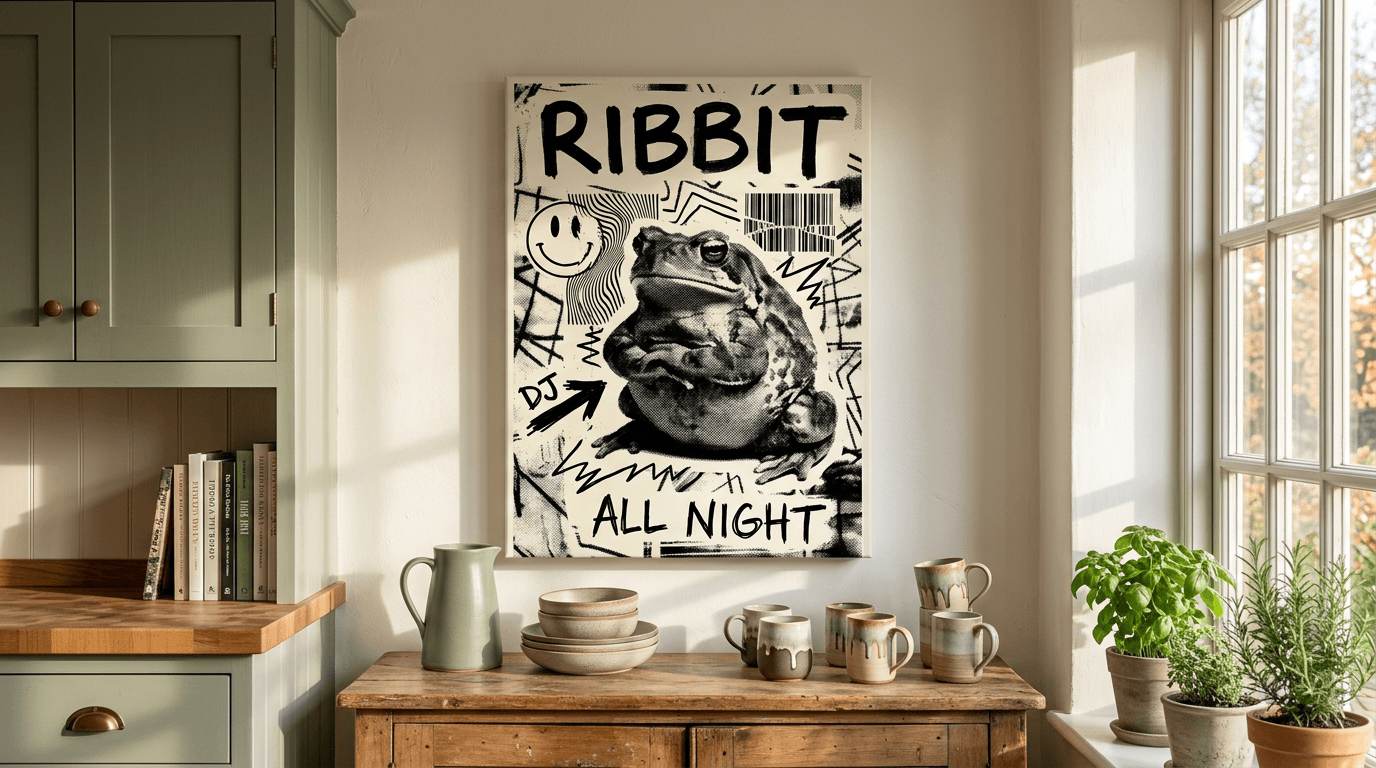
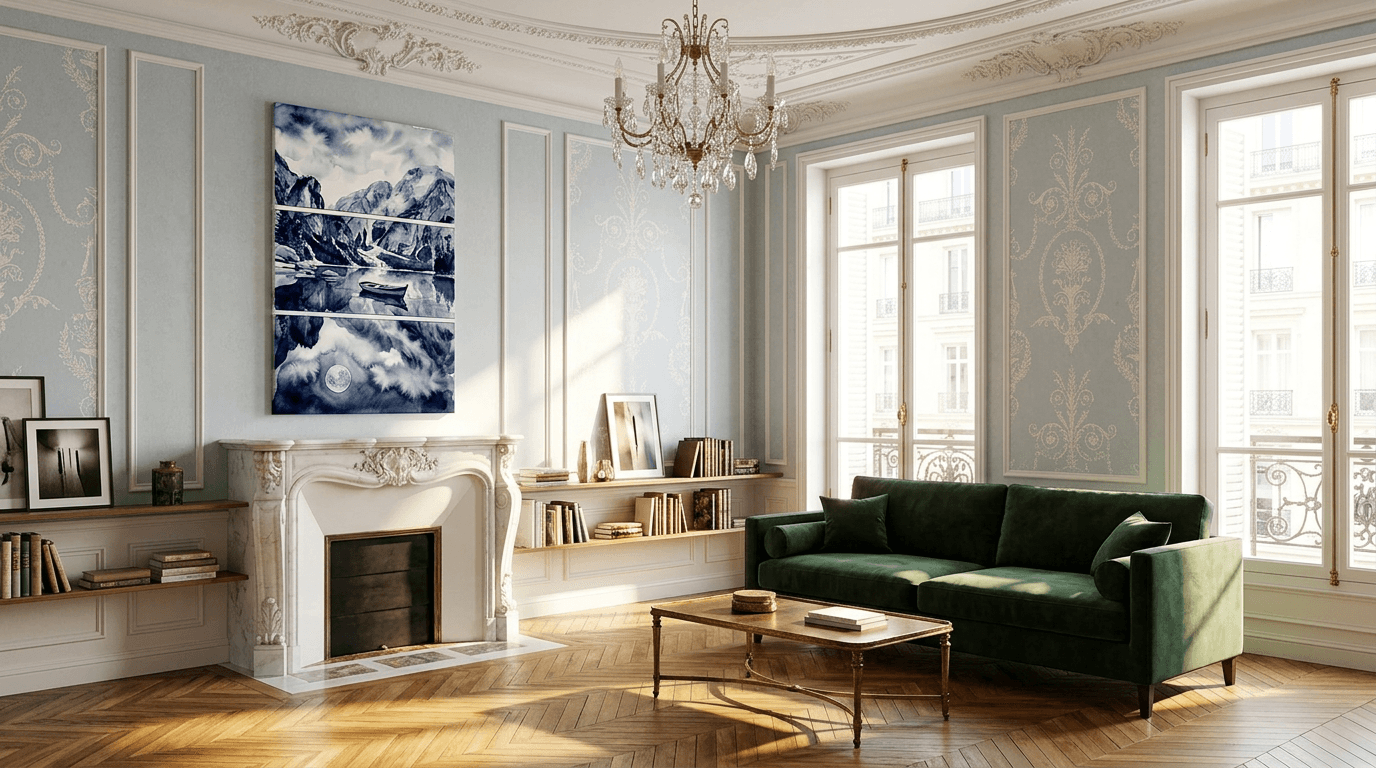
Posters for dining room and canvas prints are the most versatile wall decor: infinite subjects, sizes, and styles to match any aesthetic. A large-scale botanical canvas brings organic calm to a minimalist space; a bold abstract poster energizes a neutral room. Watercolor florals, vintage cocktail illustrations, and landscape photography all work beautifully above a sideboard or centered on a feature wall. Canvas offers a gallery-wrapped, frameless look; posters pair easily with simple frames or clips for a more casual feel.
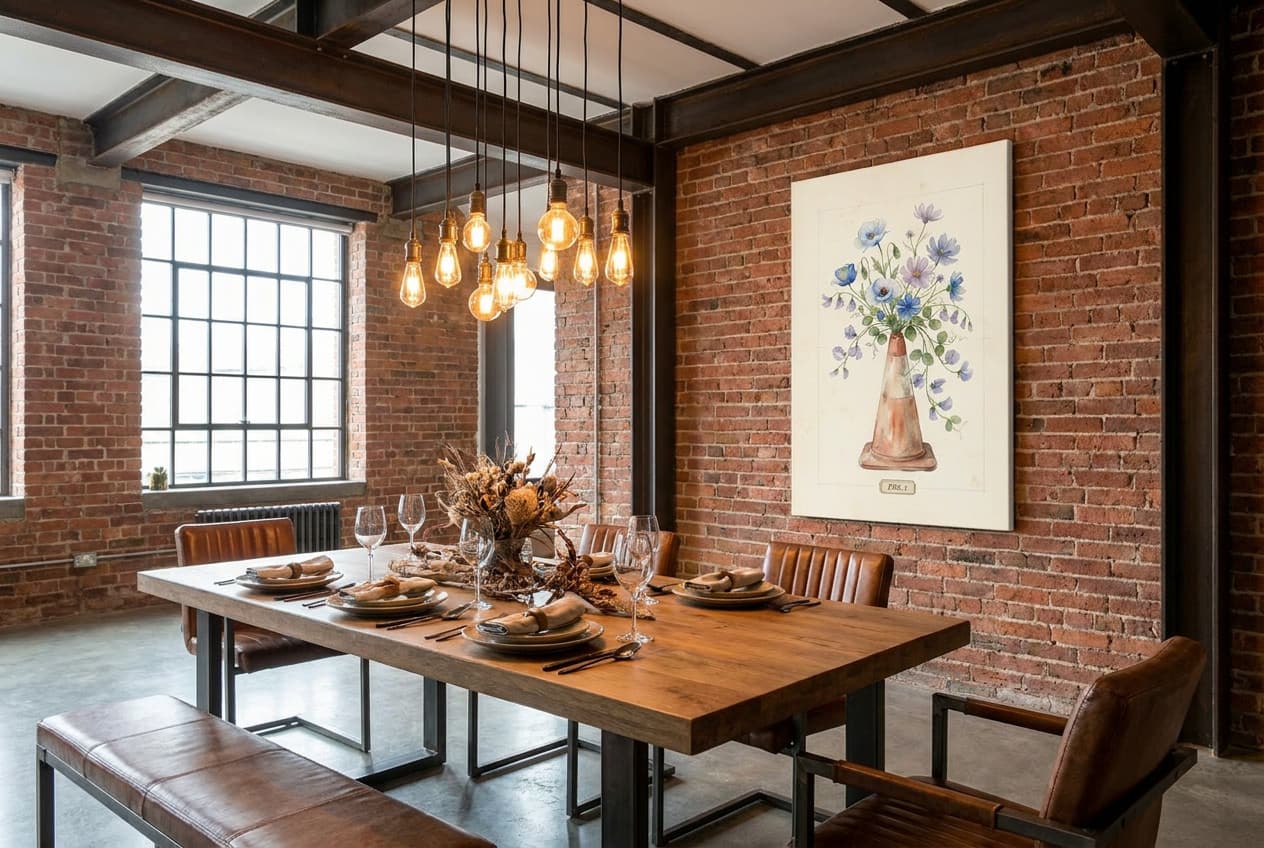
For a cohesive look, choose art that echoes your dining room's color palette—soft greens and creams for serene spaces, deep blues and golds for drama. Avoid overly busy prints in small rooms; save intricate details for larger walls where they can breathe.
Paneling & Shiplap
Board-and-batten, picture-frame molding, or shiplap paneling adds architectural interest and a sense of craftsmanship. Painted paneling (white, sage, charcoal) suits farmhouse, coastal, and traditional styles; natural wood tones fit rustic and Scandinavian interiors. Install paneling on the lower two-thirds of the wall and hang art above the chair rail, or panel a full accent wall and keep it unadorned for a clean, textural statement.
Fabric Wall Hangings
Large-scale fabric art—quilts, tapestries, or stretched textile panels—softens acoustics and adds warmth. Vintage quilts bring folk-art charm to farmhouse and cottage dining rooms; modern geometric textiles suit mid-century and Scandinavian spaces. Hang fabric with a dowel rod and leather straps, or stretch it over a wood frame like canvas. The texture contrasts beautifully with hard surfaces and adds a layer of coziness that paper and canvas can't replicate.
Metal Wall Art
Sculptural metal pieces—abstract shapes, botanical motifs, geometric grids—add dimension and a hint of industrial edge. Matte black, brushed brass, and aged bronze finishes suit modern, industrial, and transitional dining rooms. Metal art casts interesting shadows when lit, adding depth throughout the day. Choose pieces with open, airy designs to avoid visual heaviness, especially in smaller dining spaces.
Botanical & Nature Themes
Nature-inspired art—pressed botanicals, landscape photography, botanical line drawings—brings the outdoors in and creates a calming, organic atmosphere. Soft greens, earthy browns, and muted florals suit farmhouse, coastal, and Scandinavian styles. A trio of framed ferns, a large canvas of rolling hills, or a single oversized leaf print all work. Botanical themes pair effortlessly with natural wood tables, linen textiles, and potted plants for a cohesive, biophilic dining room.
Personalized Family Displays
Custom family portraits, a gallery of travel photos, or a wall of children's artwork makes your dining room unmistakably yours. Black-and-white family photos in matching frames suit traditional and transitional spaces; colorful vacation snapshots fit eclectic and casual rooms. Rotate kids' art seasonally using clipboards or a picture ledge. Personalized walls tell your story and spark conversation—just keep the overall composition balanced and intentional so it reads as curated, not cluttered.
How to Choose the Right Dining Room Wall Decor for Your Style
Choosing wall decor that genuinely complements your dining room starts with reading the room itself. Your walls shouldn't compete with your furniture—they should complete it. The best dining room art feels inevitable, as though it was always meant to hang there, echoing the materials, colors, and proportions already present in the space.
Match Your Decor to Your Dining Table & Furniture
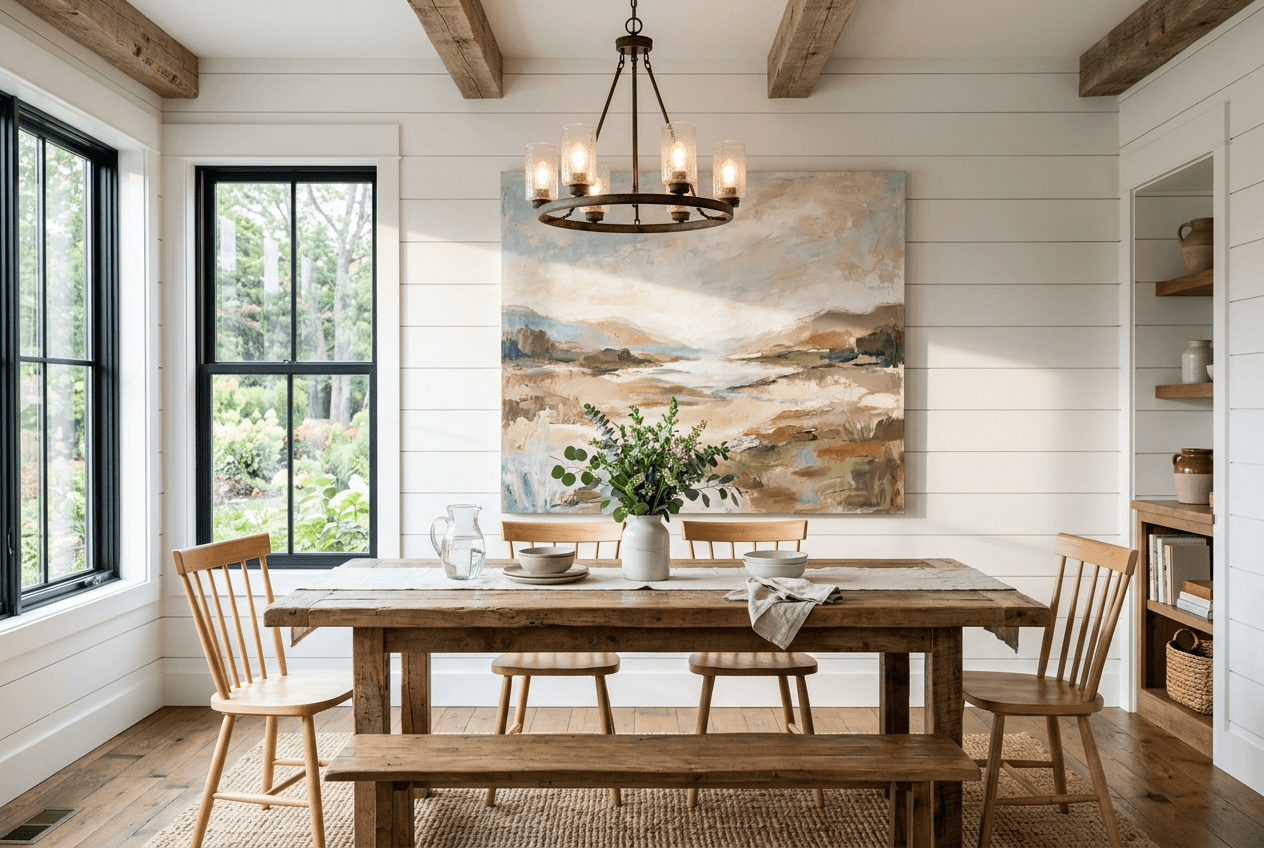
Your dining table is the anchor. If you've invested in a rustic oak table with visible grain, lean into organic subjects—botanical prints, watercolor florals, or landscape scenes that mirror that natural warmth. A sleek glass or lacquered table calls for graphic, minimalist art with clean lines. Look at your chair backs, too: curved bentwood suggests softer, flowing compositions, while angular modern chairs pair beautifully with geometric abstracts or bold typography. Material harmony matters—warm wood tones welcome earthy palettes and soft textures, while metal and marble thrive alongside high-contrast black-and-white prints or jewel-toned canvases.
Consider Your Room's Color Palette
Your walls already speak a color language. Neutral dining rooms (whites, grays, beiges) are blank canvases for bold, saturated art—a deep navy abstract or a vibrant coral floral can inject energy without repainting. If your walls are already colored, choose art that either harmonizes (pulling accent tones from curtains or upholstery) or provides intentional contrast. A sage-green dining room glows with warm terracotta or blush pinks; a charcoal accent wall demands bright whites or metallics to prevent visual heaviness. When in doubt, pull one or two colors from your existing textiles and find artwork that echoes them—much like how thoughtful kitchen wall decor creates visual cohesion by drawing from cabinetry and countertop tones.
Balance Scale & Proportion
A common mistake: art that's too timid for the wall. For the space above a sideboard or buffet, aim for art that spans two-thirds to three-quarters of the furniture's width—anything smaller floats awkwardly. On a large blank wall opposite the table, a single oversized canvas (60×90 cm or larger) commands attention without clutter. Smaller rooms benefit from vertical orientation to draw the eye up and create height. Always step back: your art should feel substantial from where diners sit, not just from arm's length.
Sizing, Height & Placement Tips for Dining Room Wall Art
Even the most beautiful artwork loses impact when hung at the wrong height or scaled incorrectly for the wall. The difference between a dining room that feels professionally designed and one that looks haphazard often comes down to precise measurements and intentional spacing. These technical guidelines remove the guesswork and ensure your posters or canvas prints create the visual harmony your space deserves.
The 3-5-7 Rule for Gallery Walls
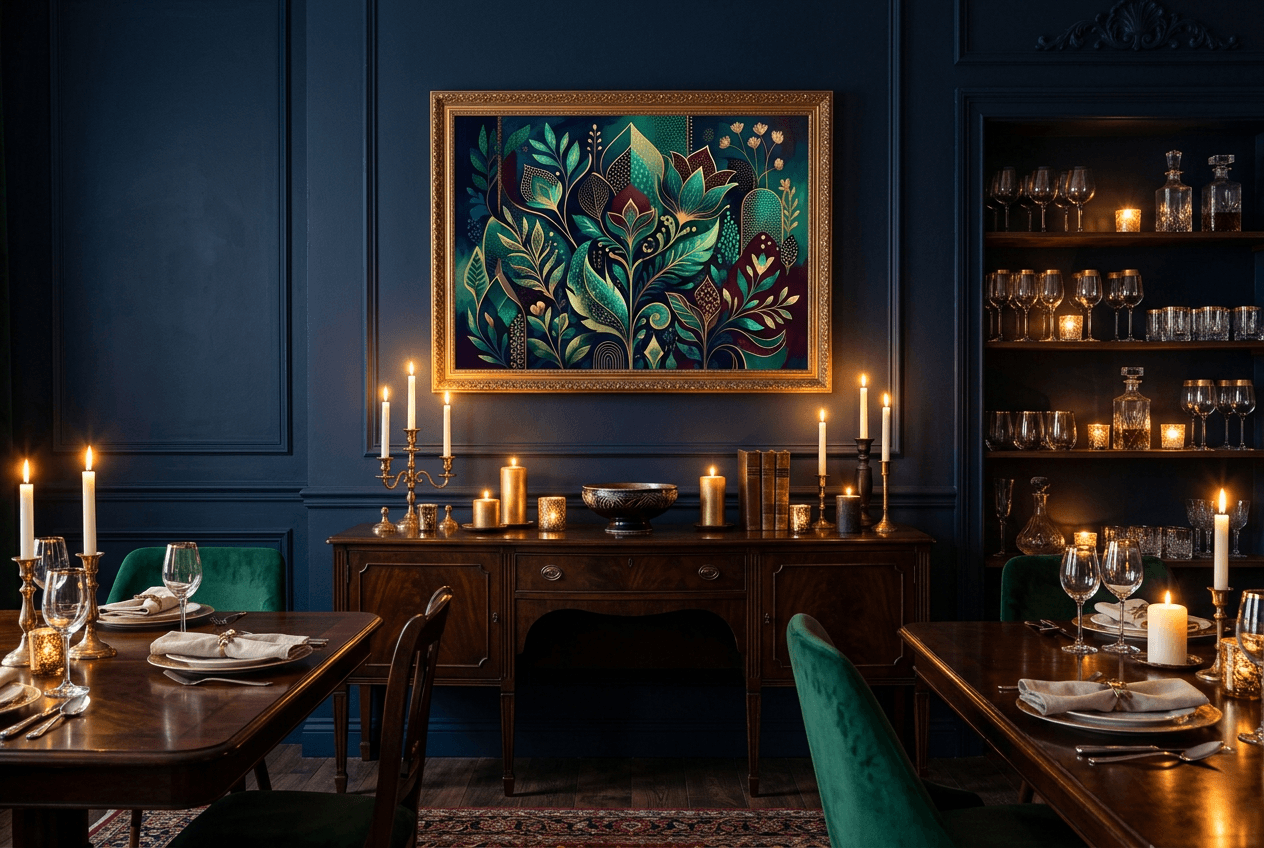
Gallery walls thrive on odd numbers—three, five, or seven pieces create more dynamic visual interest than even groupings. Start with your largest piece as the anchor, positioning it slightly off-center rather than perfectly centered for a more organic feel. Arrange smaller pieces around it, maintaining 5-8cm of consistent spacing between frames. For dining rooms with 2.4-2.7m ceilings, a five-piece arrangement typically works best, spanning 150-180cm horizontally to fill the wall without overwhelming it.
Ideal Height Above a Sideboard or Buffet
Artwork above a sideboard should hang 15-20cm above the furniture surface, with the entire composition spanning two-thirds to three-quarters of the sideboard's width. For a 150cm buffet, aim for a single large piece around 100-110cm wide, or a diptych totaling that span. The center of the artwork should sit at 145-150cm from the floor—slightly lower than standard eye level to account for seated viewing during meals.
Spacing Between Pieces
Consistent spacing creates cohesion. Maintain 5-8cm between pieces in a multi-artwork arrangement—closer spacing (5cm) suits minimalist styles, while 8cm works for eclectic or traditional rooms. When hanging a vertical pair, keep the same 5-8cm gap and treat the duo as a single visual unit when calculating wall coverage. If you're working with particularly limited square footage, the same principles that guide studio wall decor for small spaces apply here: strategic spacing prevents visual clutter and helps the room feel larger.
Bring These Ideas to Your Walls: Recommended Posters & Canvas Art
Now that you understand the principles of dining room wall styling, let's explore specific artwork that brings these concepts to life. Whether you prefer the affordability and easy swapping of paper prints or the gallery-ready depth of stretched canvas, the right piece transforms theory into a finished, cohesive space.
Abstract & Modern Prints
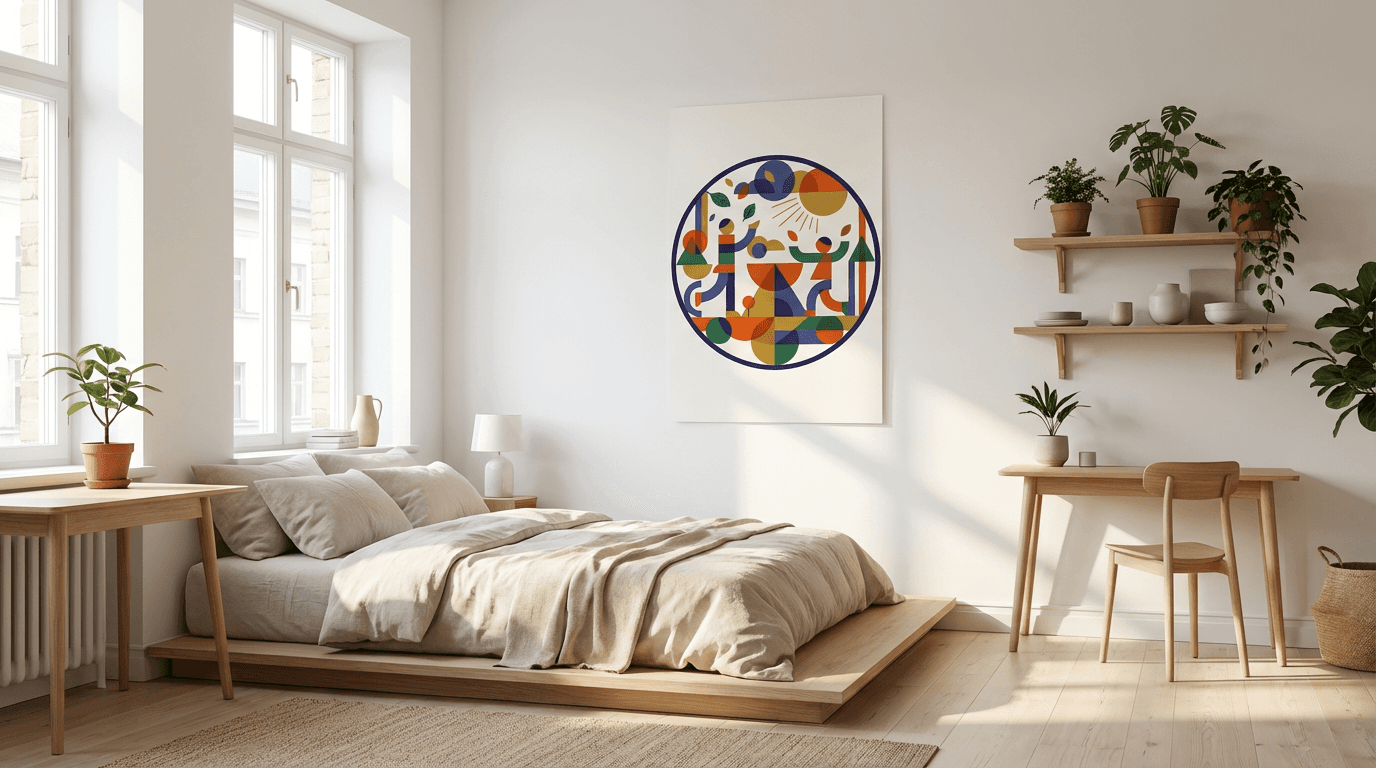
Geometric shapes, bold brushstrokes, and contemporary color palettes anchor modern and transitional dining rooms. Abstract art pairs beautifully with mid-century sideboards and glass-top tables, offering visual interest without competing with your tableware or centerpieces. Look for pieces with movement and layered textures that catch the eye from across the room.
Botanical & Nature Scenes
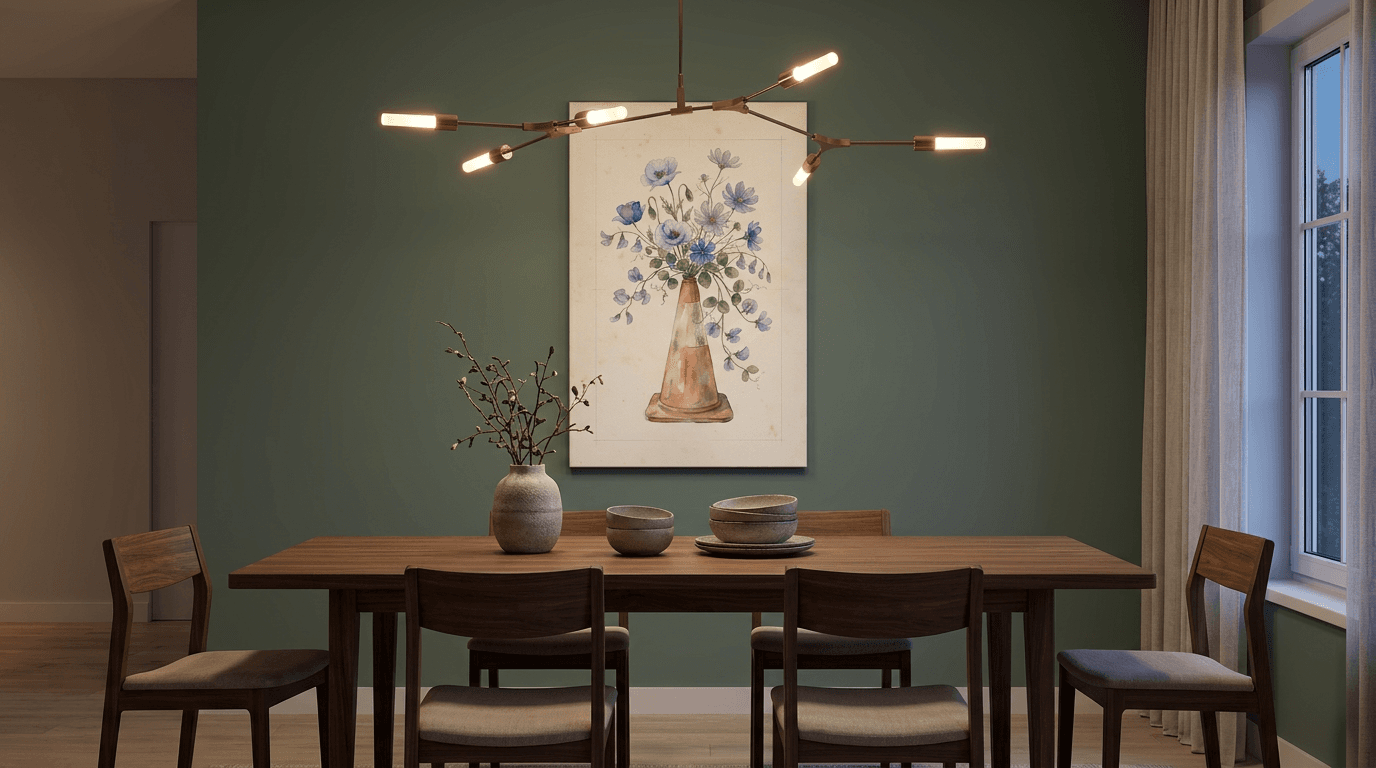
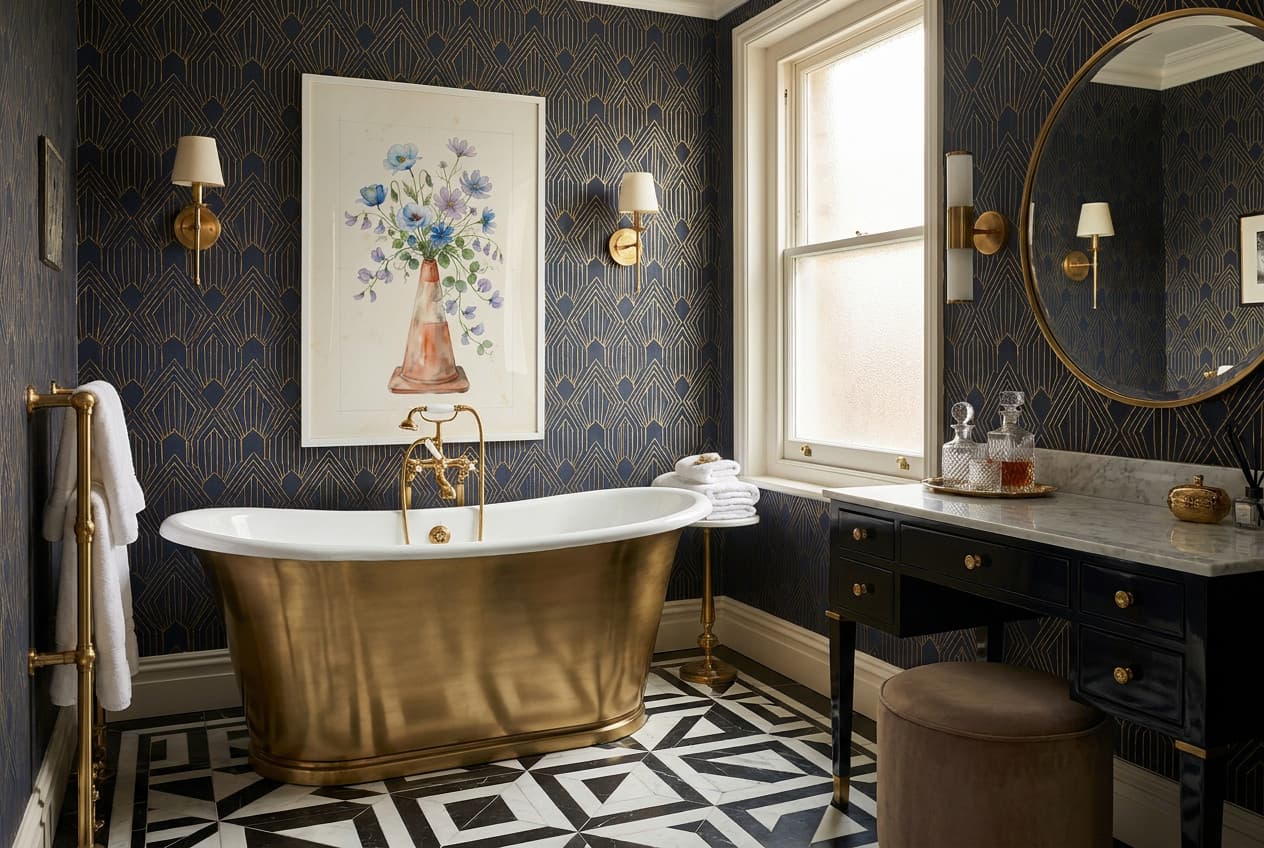
Botanical prints remain the most versatile choice for dining spaces—they complement nearly every style while adding organic warmth. Watercolor florals work beautifully in gallery wall arrangements, while large-scale leaf studies make striking statement pieces above sideboards. The "Watercolor Flowers Fig 1" design exemplifies this approach with soft, layered petals that feel both classic and contemporary.
Vintage & Retro Designs
Cocktail illustrations, retro typography, and mid-century advertising art inject personality and conversation-starting charm into dining rooms. These work especially well in eclectic spaces or when you want to lighten the mood of a formal room. The "Cocktail Last Call" poster brings exactly this energy—playful sophistication that suits both casual brunches and dinner parties.
Minimalist Typography
Clean lines, meaningful quotes, or single-word statements suit Scandinavian and modern farmhouse dining rooms where simplicity reigns. Typography art works best in odd-numbered groupings or as part of a larger gallery wall, providing visual breathing room between more complex pieces.
Common Dining Room Wall Decor Mistakes to Avoid
Even the most beautiful artwork can fall flat if you make a few common missteps. Knowing what not to do is just as valuable as knowing what works—and these pitfalls are surprisingly easy to sidestep once you're aware of them.
Hanging Art Too High or Too Low
The most frequent mistake is hanging pieces at standing eye level (around 165cm), which feels awkwardly high when you're seated at the table. Remember that dining rooms are experienced sitting down—aim for 145-150cm from floor to center, or 15-20cm above your sideboard. Too low, and the art disappears behind chairs and serving dishes; too high, and it floats disconnectedly above the furniture.
Choosing Pieces That Don't Match Your Table
A heavy farmhouse table paired with ultra-modern geometric abstracts creates visual discord, while a sleek glass table looks odd beneath rustic botanical prints. Your wall art should echo the material, finish, or era of your dining furniture—wood tones pair beautifully with organic subjects, metallics suit contemporary abstracts, and painted finishes welcome nearly any style.
Overcrowding or Under-Styling
Gallery walls can quickly become chaotic if pieces are too tightly packed or lack a unifying element (color, frame style, or subject matter). Conversely, a single small print on a large wall looks timid and unfinished. Aim for artwork that spans two-thirds to three-quarters of your furniture width, and maintain 5-8cm spacing in multi-piece arrangements. The same balance principles that make kids' room wall decor feel playful yet organized apply here—intentional curation prevents both visual overwhelm and underwhelming emptiness.
Ignoring Lighting & Shadows
Artwork placed opposite windows can suffer from glare, while pieces in dim corners lose impact entirely. Consider how natural and artificial light hits your walls throughout the day, and adjust placement or add picture lights to ensure your carefully chosen posters and canvas prints are actually visible during meals.
Dining Room Wall Decor Trends for 2026
Design trends evolve, but the best dining room walls balance what's current with what feels timeless. Here's what's shaping interiors right now—and how to adopt these trends without sacrificing longevity.
Maximalism & Eclectic Layering
After years of minimalism, maximalism is back with confidence. Think dense gallery walls mixing botanical prints, vintage cocktail posters, and abstract shapes in mismatched frames. The key is intentional chaos: vary sizes and subjects, but keep a unifying thread—perhaps a warm color palette or consistent matting. This approach works beautifully in eclectic and bohemian dining rooms where personality trumps perfection.
Sustainable & Vintage Sourcing
Conscious consumers are prioritizing artwork with longevity and ethical production. High-quality canvas and paper prints offer durability without the environmental cost of fast decor. Vintage-inspired designs—think retro typography, mid-century botanicals, or 1920s cocktail art—deliver character while feeling collected over time rather than purchased all at once.
Warm Neutrals & Earthy Tones
Cool grays are out; warm beiges, terracottas, and soft ochres are in. Dining rooms are embracing earthy palettes that make spaces feel grounded and inviting. Artwork in these tones—watercolor florals, muted landscapes, organic abstracts—complements natural wood tables and linen textiles beautifully. The result is a room that feels effortlessly sophisticated and genuinely welcoming.
Final Thoughts: Create Your Perfect Dining Room Wall
Your dining room walls are more than background—they're an opportunity to express personality, anchor your design, and transform everyday meals into memorable moments. The difference between a functional dining space and one that truly feels finished often comes down to thoughtful wall decor that respects scale, complements your furniture, and reflects your aesthetic.
Start with one well-chosen piece at the right height (145-150cm from the floor, remember), then build from there. Whether you lean toward a single oversized canvas, a curated gallery wall, or a rotating display of seasonal prints, the key is intentionality: every piece should earn its place and contribute to the room's cohesive story.
Explore our collections of posters for dining room and canvas prints for dining room to find artwork that speaks to your style—from botanical elegance to bold abstracts. Your perfect dining room wall is closer than you think.